

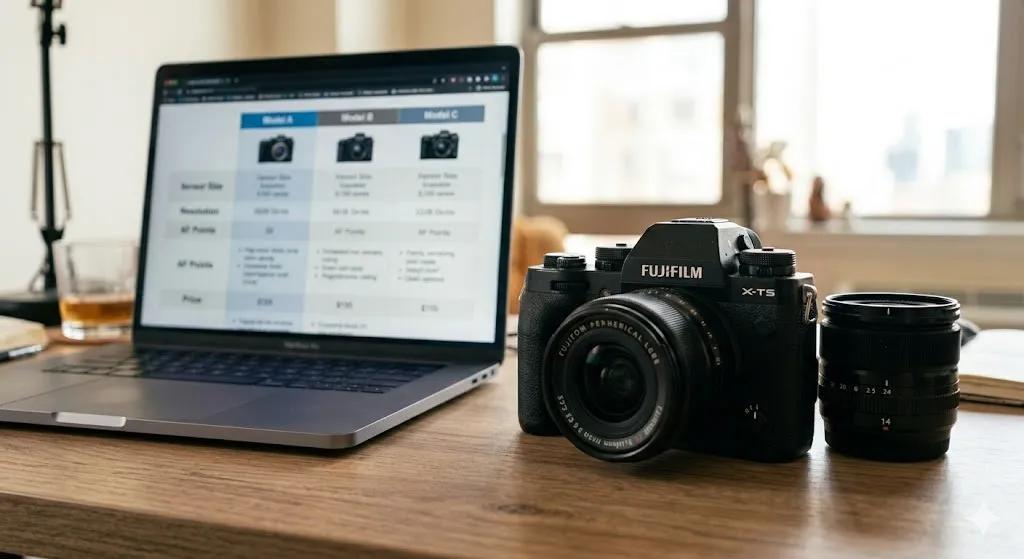
Ever opened ten tabs comparing cameras, only to feel more confused than when you started?
You’re not alone. The surge in online electronics shopping has made it easier than ever to explore options—but also harder to decide. With dozens of models, specs, and price points, making the right choice requires more than just impulse. Somewhere between reading reviews and comparing features, many buyers start to second-guess themselves.
That’s exactly why people look to Buy Mirrorless Cameras Online—for convenience, variety, and better deals. But without the right approach, that convenience can quickly turn into uncertainty.
What Makes Mirrorless Cameras So Popular?
Mirrorless cameras have reshaped modern photography. Unlike DSLRs, they don’t rely on a mirror mechanism, making them lighter and more compact.
But the appeal goes beyond size.
They offer faster autofocus, advanced video capabilities, and real-time previews through electronic viewfinders. For beginners, that means fewer surprises. For enthusiasts, it means more control.
In simple terms, mirrorless cameras combine portability with performance—something that’s hard to ignore in today’s fast-paced digital world.
Mirrorless vs DSLR: A Quick Comparison
Before diving deeper, here’s a simple breakdown to help you understand how mirrorless cameras stack up:
Feature | Mirrorless Cameras | DSLR Cameras |
|---|---|---|
Size & Weight | Compact and lightweight | Bulkier due to mirror system |
Autofocus | Faster, real-time tracking | Reliable but slightly slower |
Viewfinder | Electronic (digital preview) | Optical (true-to-life view) |
Video Capabilities | Excellent (often 4K/8K support) | Good but less advanced |
Battery Life | Moderate | Longer-lasting |
Learning Curve | Beginner-friendly | Slightly steeper |
This table alone explains why many new buyers lean toward mirrorless systems.
Key Factors to Consider Before Buying
Shopping online gives you options—but also responsibility. Here’s what actually matters when choosing a mirrorless camera:
1. Sensor Size Matters
The sensor determines image quality. Larger sensors capture more light, which improves low-light performance and detail.
Full-frame: Best quality, higher cost
APS-C: Balanced performance and price
Micro Four Thirds: Compact and budget-friendly
2. Autofocus Performance
Modern mirrorless cameras excel in autofocus. Look for features like:
Eye detection
Face tracking
Continuous autofocus
These are especially useful for portraits and videos.
3. Lens Compatibility
A camera body is only part of the investment. Make sure:
There are enough lens options
Lenses fit your shooting style
Third-party lenses are available
4. Video Capabilities
Even if you’re not a filmmaker, video matters.
Look for:
4K recording
Stabilization (IBIS)
External mic support
5. Battery Life
Mirrorless cameras consume more power due to electronic displays. If you shoot often, consider extra batteries.
Why Buying Online Feels Different
Walking into a store gives you physical interaction. Buying online gives you something else—control.
You can compare prices instantly, read user reviews, and explore specifications at your own pace. That’s why many buyers prefer to Buy Mirrorless Cameras Online instead of relying solely on in-store decisions.
But this shift also means you need to evaluate information carefully.
Common Mistakes Buyers Make
Even smart shoppers fall into predictable traps. Avoid these:
Focusing only on megapixels
Ignoring lens ecosystem
Choosing based on brand popularity alone
Overlooking ergonomics and usability
Not checking return policies
A camera is not just a purchase—it’s a long-term tool.
Understanding Price vs Value
Price tags can be misleading.
A higher price doesn’t always mean better performance for your needs. Sometimes, mid-range cameras offer features that are more practical for everyday use.
Think about:
What you’ll actually shoot
How often you’ll use the camera
Whether you need advanced features
Value comes from alignment—not just specifications.
Who Should Buy a Mirrorless Camera?
Mirrorless cameras are versatile, but they’re not one-size-fits-all.
They’re ideal for:
Beginners who want ease of use
Travelers who prefer lightweight gear
Content creators and vloggers
Photography enthusiasts upgrading from smartphones
If your goal is flexibility and modern features, mirrorless systems are a strong choice.
The Role of Reviews and Ratings
Online reviews can guide your decision—but only if you read them critically.
Look for patterns instead of isolated opinions.
Consistent complaints about battery? Take note
Repeated praise for autofocus? That’s valuable
Mixed feedback on usability? Dig deeper
Balanced research leads to better decisions.
Timing Your Purchase
Prices fluctuate more than most people realize.
Consider buying during:
Seasonal sales
Holiday promotions
Product launch cycles (older models drop in price)
Timing alone can save a significant amount.
How to Narrow Down Your Options
Feeling overwhelmed by choices? Simplify your process:
Set a budget range
Decide your primary use (photo, video, both)
Shortlist 3–4 models
Compare real-world performance
Check availability and after-sales support
This structured approach reduces confusion dramatically.
Mid-Article Insight: What Actually Matters Most
At some point, every buyer reaches a decision crossroads.
This is where clarity matters more than features.
When you Buy Mirrorless Cameras Online, you’re not just choosing a product—you’re choosing an experience. The right camera should feel intuitive, not intimidating.
Focus on usability, reliability, and long-term satisfaction rather than chasing specs you may never use.
The Importance of After-Sales Support
A good purchase doesn’t end at checkout.
Reliable after-sales support includes:
Warranty coverage
Easy returns
Customer service accessibility
These factors are often overlooked—but become crucial when something goes wrong.
Where Trust Comes Into Play
Online shopping is built on trust.
You’re relying on product descriptions, images, and reviews without physical interaction. That’s why choosing a reliable platform matters.
A platform that offers transparency, clear policies, and consistent customer experiences reduces uncertainty.
This is where Gadget Guys fits naturally into the conversation—offering a structured and dependable shopping experience without unnecessary complexity.
Final Thoughts: Making the Right Choice
Buying a mirrorless camera doesn’t have to feel overwhelming.
With the right approach, it becomes a straightforward process of matching your needs with the right features. Whether you’re capturing travel memories, starting a content journey, or simply exploring photography, the goal is clarity—not confusion.
As you prepare to Buy Mirrorless Cameras Online, remember that informed decisions lead to better satisfaction. Take your time, compare wisely, and focus on what truly matters to you.
And if you’re exploring trusted platforms, Gadget Guys remains a practical option to consider—simply as part of your broader research.
Frequently Asked Questions
1. Are mirrorless cameras good for beginners?
Yes, they’re generally more beginner-friendly due to real-time previews and intuitive controls.
2. Do mirrorless cameras have better image quality than DSLRs?
Not necessarily better—but often comparable. The difference depends more on the sensor and lens.
3. Is battery life a major concern?
It can be. Mirrorless cameras use more power, so carrying extra batteries is a good idea.
4. Can I use old lenses with mirrorless cameras?
In many cases, yes—using adapters. However, compatibility varies by brand.
5. Are mirrorless cameras worth the price?
For most users, yes. They offer a strong balance of performance, portability, and modern features.